
Sesame oil: one of the oldest oils in the world
Sesame oil has been pressed for thousands of years. What it contains, why it stays fresh longer than other oils and how to use it in the kitchen.
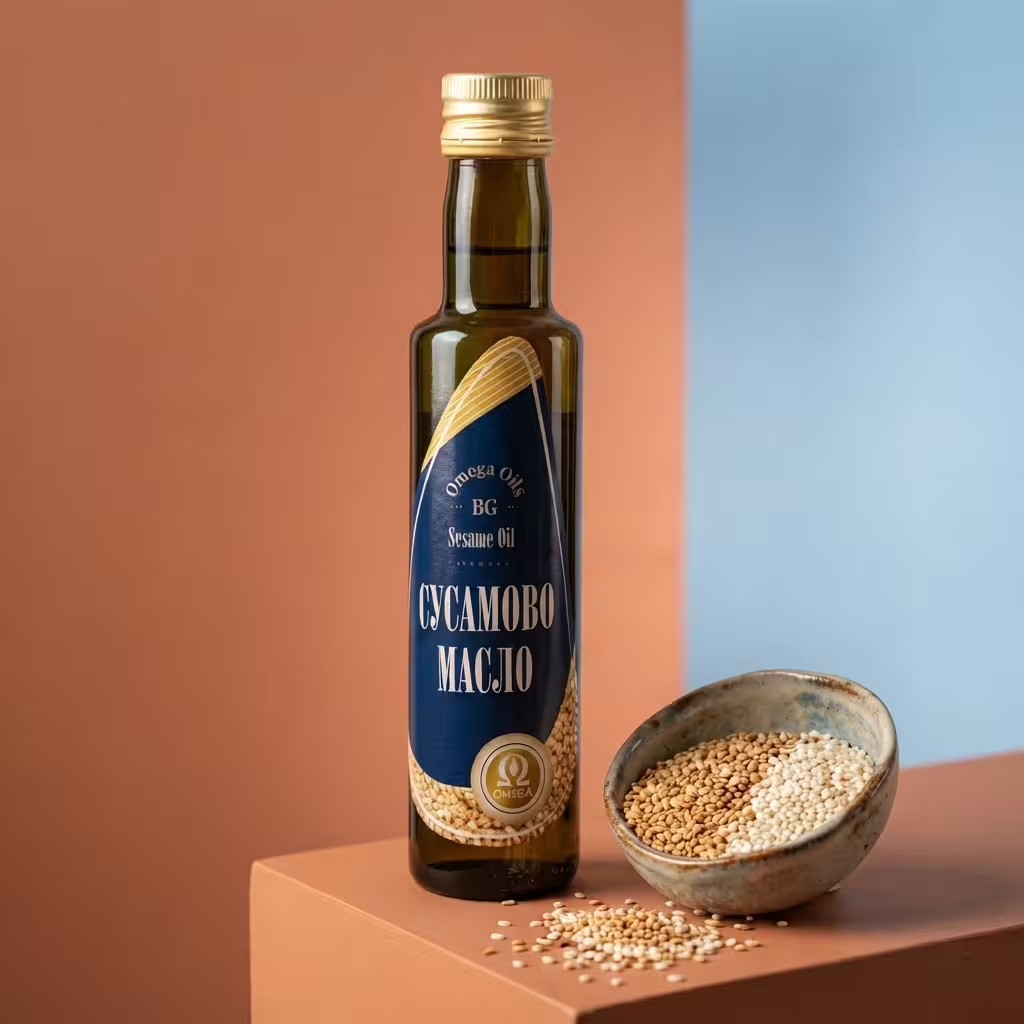
In this article
Sesame is among the oldest oil crops. It was grown in India and Mesopotamia in ancient times, and sesame oil has been used in cooking for thousands of years. In Asia, the Middle East and the Balkans it is a regular part of the diet.
What sesame oil contains
Sesame oil is balanced: almost equal amounts of monounsaturated and polyunsaturated fatty acids. Typical composition per 100 g:
- omega-6 (linoleic acid): about 41 g;
- monounsaturated fatty acids (mainly oleic acid): about 40 g;
- saturated fatty acids: about 14 g.
The benefit: linoleic acid and normal cholesterol
Linoleic acid contributes to the maintenance of normal blood cholesterol levels. The beneficial effect is obtained with a daily intake of 10 g of linoleic acid.
One tablespoon of sesame oil (15 ml) contains about 5.5 g of linoleic acid. Linoleic acid is also found in many other foods: nuts, seeds, wholegrain bread. So a tablespoon of sesame oil in your dressing is a substantial part of those 10 g.
Why sesame oil stays fresh longer
Sesame contains natural substances called lignans, mainly sesamin and sesamolin. Together with vitamin E, they make sesame oil one of the most oxidation-resistant cold-pressed oils. In practice it keeps its fresh taste longer than oils rich in omega-3, such as flaxseed and walnut oil.
Light or dark sesame oil?
The dark sesame oil sold in Asian shops is made from roasted sesame. It has a strong, smoky aroma and is used by the drop. Cold-pressed oil from unroasted sesame is light golden, with a mild, warm sesame aroma, and is used like an ordinary salad oil.
Taste and use in the kitchen
- dressings: with soy sauce, lemon and honey for a green salad;
- Asian dishes: over noodles, rice and vegetables;
- spreads: hummus, tahini sauce, roasted aubergine salad;
- vegetables: steamed broccoli, carrots and spinach.
One or two teaspoons are enough for a portion of dressing or vegetables. Sesame oil can take a short, low-heat braise, but it is not for frying.
How to store it
- Keep the bottle tightly closed in a cool, dark place.
- Once opened, keep it in the fridge; if it turns cloudy, it becomes clear again at room temperature.
Our sesame oil is cold-pressed below 35°C in a single pressing, with no refining and no additives.
In short
- About 41 g of linoleic acid per 100 g; one tablespoon gives about 5.5 g.
- Natural lignans make it more resistant to oxidation.
- For dressings, Asian dishes and gentle braising; not for frying.
Warning: sesame is an allergen.
A varied and balanced diet and a healthy lifestyle are important for good health. The nutritional values in this article are typical values from published data; the exact values for each batch are on the label.
Buy the oil
- Cold-pressed below 35°C
- Free shipping over 50,00€
Related articles
 Oils 3 min read
Flaxseed oil: the richest plant source of omega-3 in the kitchen
Why flaxseed oil is so highly valued, how much omega-3 there is in one spoonful, how to use it only cold and how to keep it fresh.
 Oils 2 min read
Walnut oil: a delicate flavour and plant omega-3
Walnut oil combines a mild nutty aroma with plant omega-3. See what it contains, how to use it and why it is kept cold only.
 Oils 2 min read
Sharlan: the traditional Bulgarian oil and vitamin E
Where the word “sharlan” comes from, why cold-pressed sunflower oil is high in vitamin E and which dishes it goes best with.
Sesame oil 5,10€