
Black cumin oil: the spice from Tutankhamun’s tomb
Black cumin has been used as a spice for thousands of years. What it really is, what its oil tastes like and how to dose it by the drop.
In this article
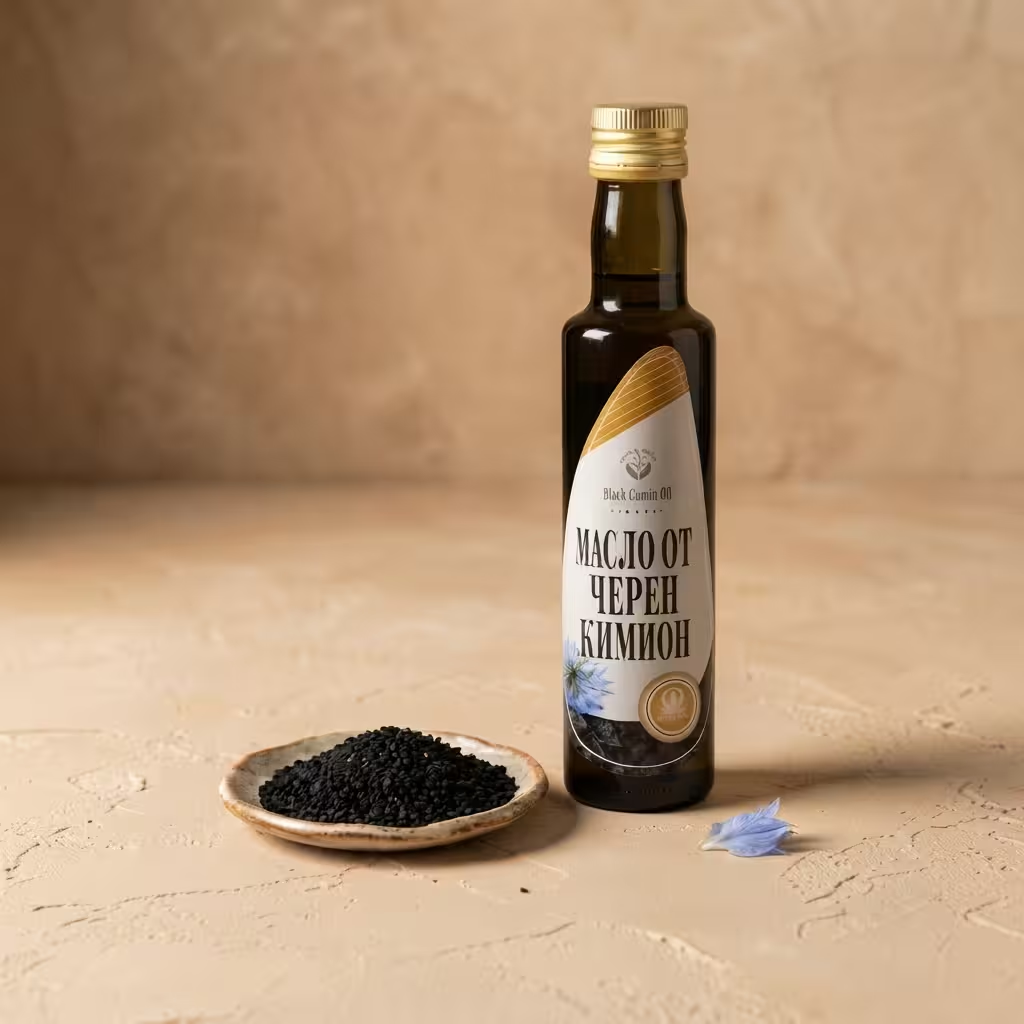
Black cumin seeds were found in Tutankhamun’s tomb, more than 3,300 years old. In ancient Egypt, the Middle East and India, the small black seeds were a common spice for bread and dishes. Today their oil is used for its strong, unusual taste.
What black cumin really is
Despite its name, black cumin (Nigella sativa) is not related to cumin or caraway. It belongs to the buttercup family and is a close relative of the garden nigella (love-in-a-mist). In India its seeds are called kalonji and are sprinkled on naan bread, and in the Middle East on bread and cheese. In Bulgaria they are also called “black seed”.
What the oil contains
Typical composition per 100 g:
- omega-6 (linoleic acid): about 53 g;
- monounsaturated fatty acids: about 24 g;
- saturated fatty acids: about 15 g.
The distinctive spicy, slightly bitter taste comes from the aromatic compounds in the seed, including thymoquinone. These compounds make the oil more of a spice than a salad oil.
And the health benefits?
A lot is written about black cumin, but there are no authorised health claims for it in the European Union. Their assessment by the European Commission has not yet been completed. That is why we make no promises about health effects. We value black cumin oil for its taste and the culinary tradition behind it. If someone promises you that black cumin cures diseases, be cautious.
Taste and use: by the drop
The taste is strong: spicy, slightly bitter, with a herbal note and a long finish. Start with 3–5 drops per portion and add more to taste:
- hummus and spreads: a few drops on top, together with olive oil or sesame oil;
- yoghurt: with garlic and cucumber, as a dip or tarator (cold yoghurt soup);
- honey: a drop in a spoonful of honey – a traditional Middle Eastern combination;
- salads: a few drops in the dressing for a tomato salad.
A good trick is to mix a few drops of black cumin oil with a milder oil, such as Sharlan or sesame oil. This gives you an aromatic dressing with moderate heat. Do not heat the oil.
How to store it
- Keep the bottle tightly closed in a cool, dark place.
- Once opened, keep it in the fridge; use it while the taste is fresh.
Our black cumin oil is cold-pressed below 35°C in a single pressing, with no refining and no additives.
In short
- Black cumin is an ancient spice, not a relative of cumin.
- The oil is strong and is used by the drop – in hummus, yoghurt, honey and dressings.
- Cold use only; keep it in the fridge once opened.
A varied and balanced diet and a healthy lifestyle are important for good health. The nutritional values in this article are typical values from published data; the exact values for each batch are on the label.
Buy the oil
- Cold-pressed below 35°C
- Free shipping over 50,00€
Related articles
 Oils 3 min read
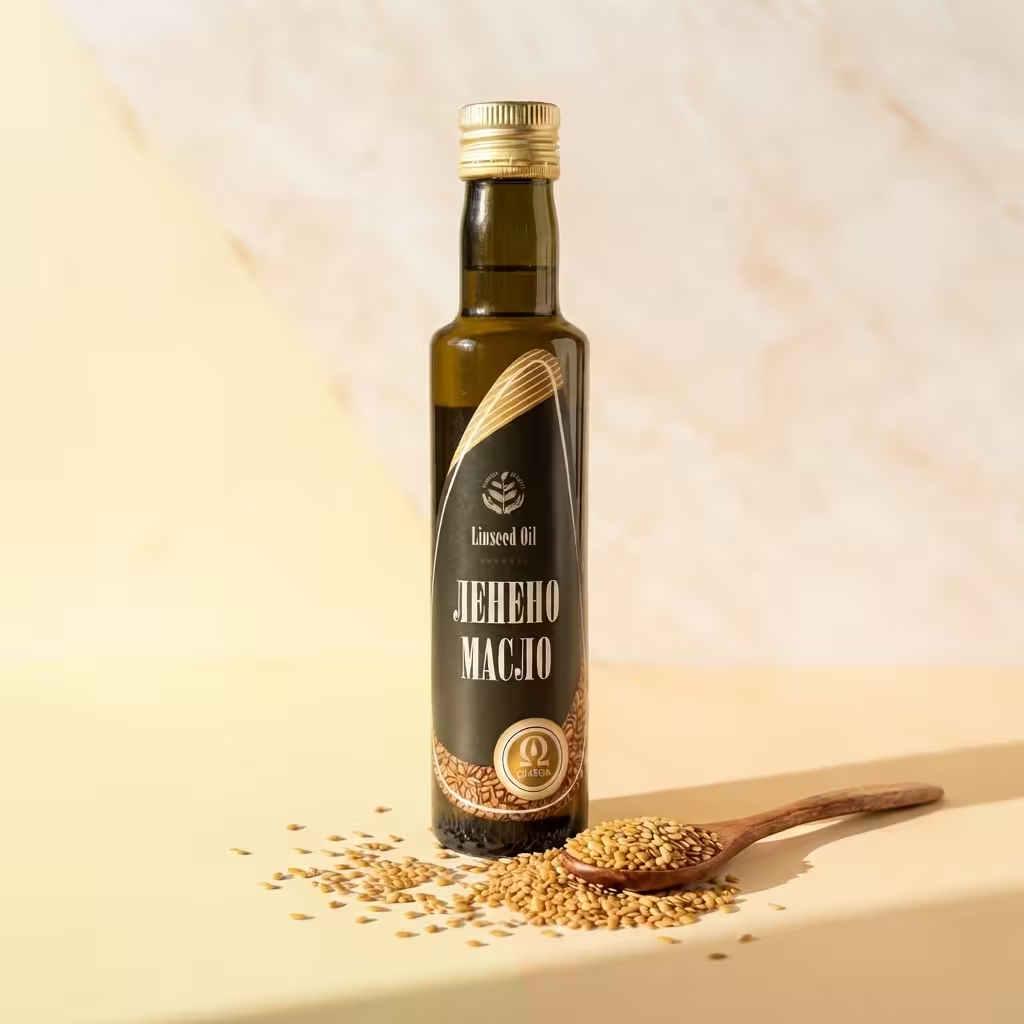
Flaxseed oil: the richest plant source of omega-3 in the kitchen
Why flaxseed oil is so highly valued, how much omega-3 there is in one spoonful, how to use it only cold and how to keep it fresh.
 Oils 2 min read
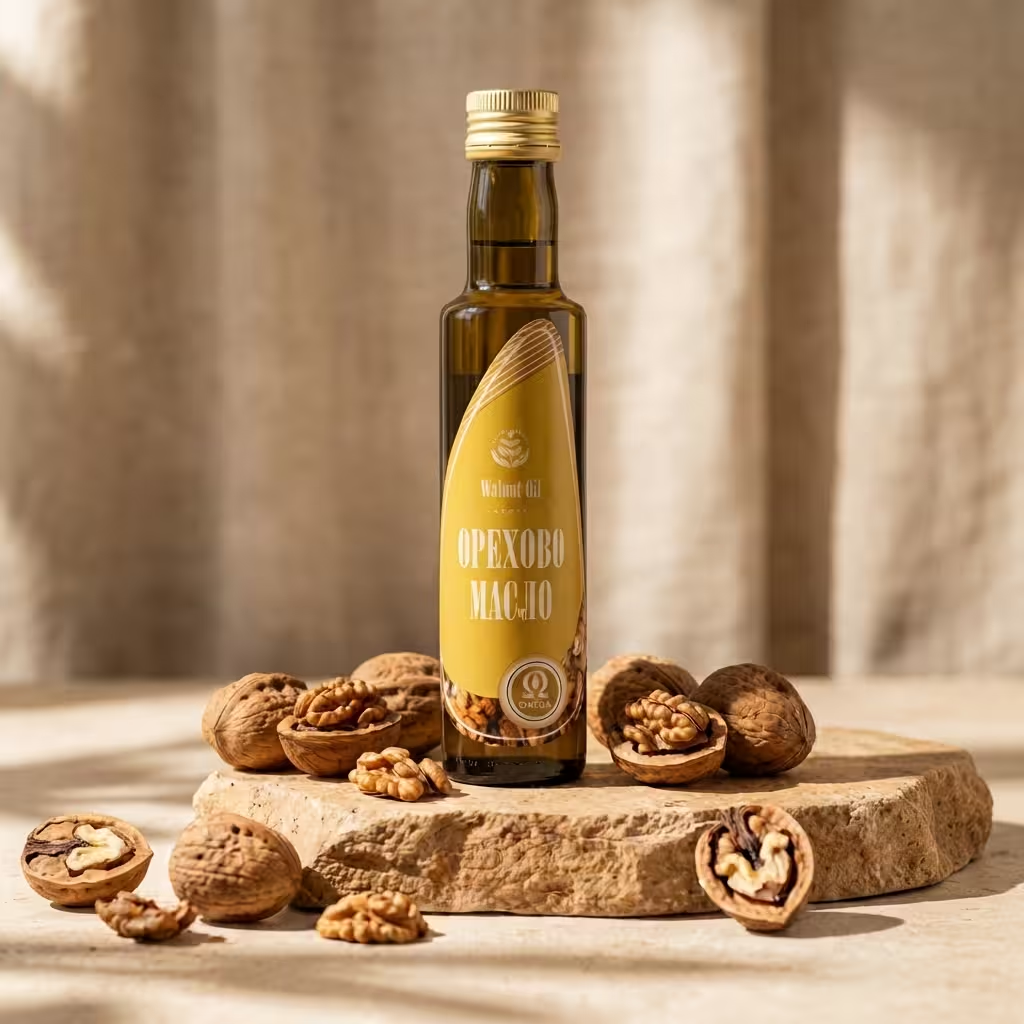
Walnut oil: a delicate flavour and plant omega-3
Walnut oil combines a mild nutty aroma with plant omega-3. See what it contains, how to use it and why it is kept cold only.
 Oils 2 min read
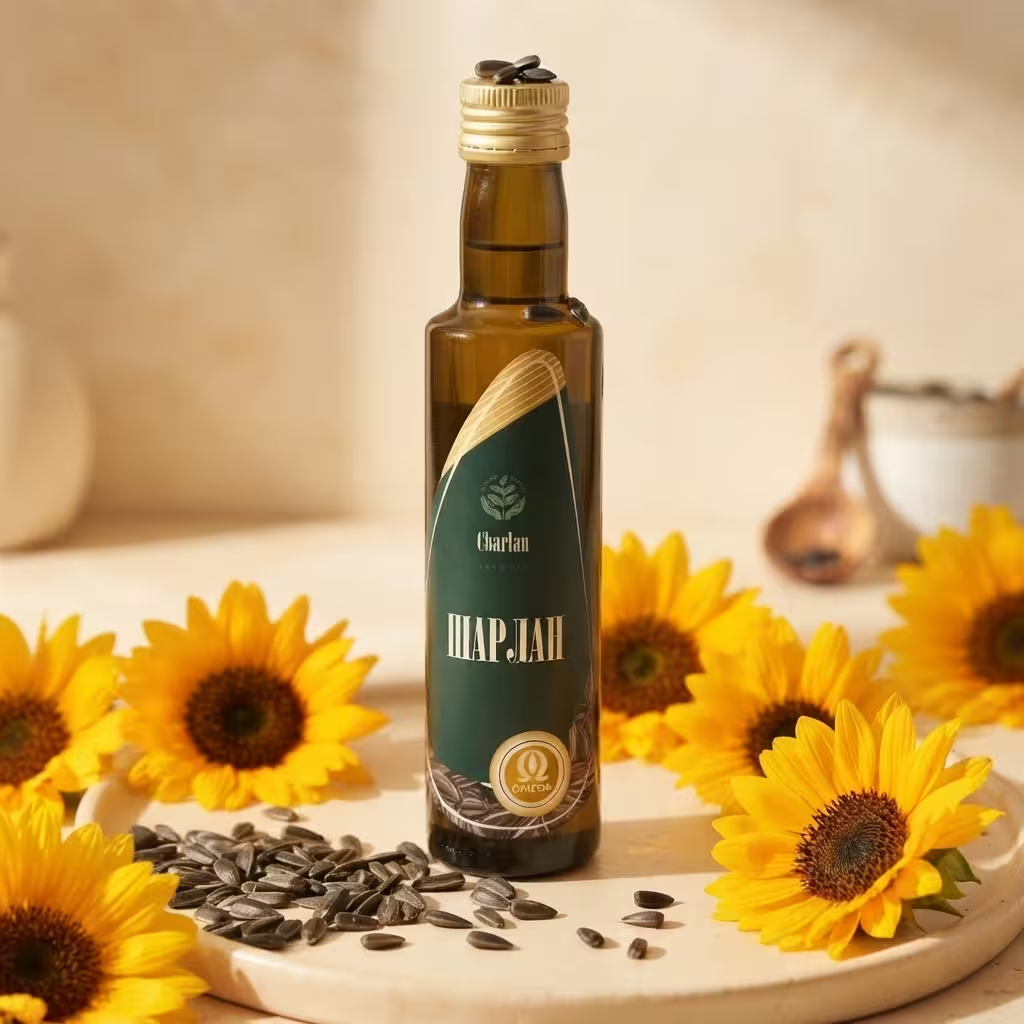
Sharlan: the traditional Bulgarian oil and vitamin E
Where the word “sharlan” comes from, why cold-pressed sunflower oil is high in vitamin E and which dishes it goes best with.
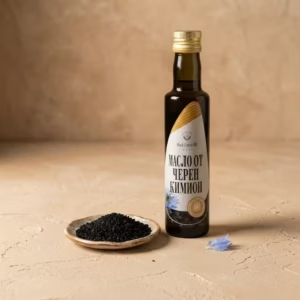
Black cumin oil 13,20€